Unpacking the Oct 7 Attack: A Turning Point in the Israel-Hamas Conflict
The
Oct 7 attack Israel launched by Hamas in 2023 marked an unprecedented and brutal escalation in the long-standing conflict, profoundly reshaping the geopolitical landscape of the Middle East. This coordinated assault, originating from the Gaza Strip, represented a strategic shock that triggered a massive Israeli military response and unleashed a cascade of regional and international repercussions. Understanding Hamas's motivations, its strategic goals behind this devastating offensive, and the far-reaching consequences is crucial for comprehending the current volatile state of the region.
The Events of October 7, 2023: Scale and Impact
On October 7, 2023, Hamas, an armed Palestinian group and political movement governing the Gaza Strip, initiated a surprise attack on Israel of an unparalleled scale and brutality. The assault involved thousands of rockets fired into Israeli territory, alongside a multi-pronged ground invasion by militants who breached the Gaza perimeter fence. These fighters infiltrated numerous Israeli communities, military bases, and a music festival, perpetrating widespread violence.
The immediate aftermath was horrific: approximately 1,200 people were killed in Israel, primarily civilians, marking the deadliest day for the country in its history and described by many as the worst antisemitic massacre since the Holocaust. Beyond the tragic loss of life, Hamas militants also abducted 251 individuals, including men, women, children, and foreign nationals, taking them hostage back into Gaza. The sheer audacity and barbarity of the attack stunned Israel and the international community, instantaneously triggering a massive and comprehensive Israeli military offensive in Gaza aimed at dismantling Hamas’s capabilities and securing the release of the hostages. This subsequent military action has led to the deaths of tens of thousands of Palestinians and widespread devastation across the Gaza Strip.
Hamas's Ideology and Strategic Objectives Behind the Oct 7 Attack
To grasp why Hamas launched such a devastating assault, it's essential to delve into its foundational ideology and long-term strategic objectives. Formed in 1987 as an offshoot of the Muslim Brotherhood, Hamas, an acronym for "Harakat al-Muqawamah al-Islamiyah" (Islamic Resistance Movement), is ideologically opposed to the existence of Israel. Its core objective, as articulated in its founding charter, is to establish an Islamic state across what it considers historic Palestine, encompassing the modern-day West Bank, East Jerusalem, and Gaza, replacing the state of Israel. This aspiration guides its actions and resistance efforts.
Despite this maximalist claim, Hamas has, at times, signaled a pragmatic willingness to accept an interim Palestinian state confined to the West Bank, East Jerusalem, and Gaza. However, it has historically done so without formally renouncing its broader claim to all of historic Palestine, indicating a potential two-stage approach to its ultimate goals.
The
Oct 7 attack Israel by Hamas can be viewed through several strategic lenses aimed at achieving these objectives:
-
Disrupting the Status Quo: For years, Israel had maintained a blockade on Gaza, and while periodic skirmishes occurred, the overall situation was a simmering stalemate. The attack aimed to shatter this status quo, forcing Israel into a significant military response that would inevitably draw international attention to the Palestinian issue, which many felt was being neglected.
-
Asserting Palestinian Agency: By launching such a large-scale operation, Hamas sought to assert itself as a formidable force representing Palestinian resistance and agency, particularly at a time when diplomatic efforts were increasingly focused on Israeli-Arab normalization deals that largely sidelined the Palestinian cause.
-
Hostage Leverage: The taking of a large number of hostages provided Hamas with significant leverage, aiming to force Israel into prisoner exchanges, potentially freeing thousands of Palestinian prisoners held in Israeli jails. This was partially realized in the October 2025 ceasefire deal, where 20 remaining Israeli hostages were released in exchange for nearly 2,000 Palestinian prisoners.
-
Derailing Normalization: The attack also likely aimed to complicate or derail the ongoing diplomatic efforts by the United States to broker normalization agreements between Israel and Saudi Arabia, among other Arab states. A major conflict would make such rapprochement politically challenging for Arab leaders.
These objectives illustrate Hamas's multifaceted approach to resistance, using both political and armed means to advance its vision for Palestine.
The Evolving Landscape of Hamas's Strength and Leadership Post-Oct 7
Before the
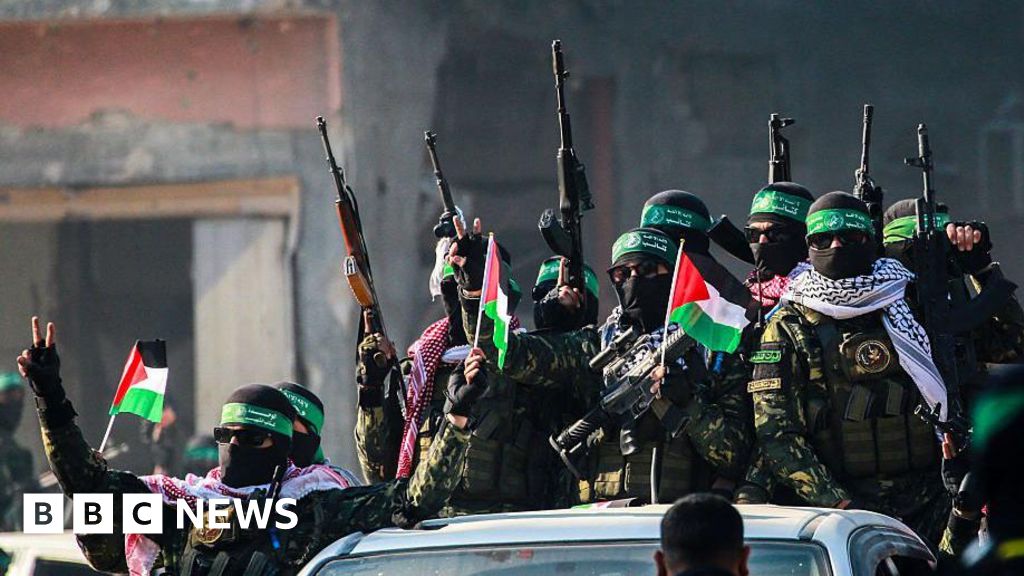
Oct 7 attack Israel, Hamas was estimated to command approximately 30,000 fighters and had been the sole ruler in the Gaza Strip since 2007, after winning Palestinian elections and violently ousting rival factions. The October 7 attack, however, precipitated an Israeli military response designed to fundamentally dismantle Hamas’s military capabilities and governance infrastructure.
The subsequent conflict has severely weakened Hamas. Israeli forces reported killing more than 17,000 Hamas fighters by August 2024, though this figure could not be independently verified. Crucially, much of the group's infrastructure and its ability to operate openly within Gaza have been largely destroyed. This dramatic shift has necessitated a re-evaluation of Hamas's operational capacity and future viability as a governing entity. For a deeper dive into these transformations, read
Hamas After Oct 7: Leadership Changes and Strategic Setbacks.
The leadership of Hamas has also undergone significant changes and faced severe setbacks since October 7:
-
Ismail Haniyeh: The group's main political leader during the October 7 attacks, who was based in Qatar, was assassinated in Tehran in July 2024.
-
Yahya Sinwar: Haniyeh's replacement, Sinwar, who had been the leader of Hamas in Gaza since 2017 and was widely considered the architect of the October 7 attacks, became Israel's most wanted man. He was eventually killed by Israel Defense Forces (IDF) soldiers in Gaza in October 2024.
-
Collective Leadership: Following Sinwar's death, Hamas is reportedly led by a five-man council, with its head's identity kept secret for security reasons. Key members include Khaled Meshaal (head of foreign relations), Zaher Jabarin (exiled West Bank leader), and Muhammad Darwish (head of the Shura Council). These leaders are primarily based in Qatar or Turkey, highlighting the group's reliance on external safe havens for its political leadership.
Israel has continued its efforts to target Hamas leaders, with strikes reported in September 2025 targeting individuals like Al-Hayya in Qatar, underscoring the ongoing intelligence and military operations against the group's command structure.
Regional Repercussions and International Dynamics
The fallout from the
Oct 7 attack Israel has extended far beyond the immediate conflict zone, triggering profound regional repercussions and reshaping international dynamics. The Israeli military offensive in Gaza, launched in response to the attack, has had devastating humanitarian consequences, killing tens of thousands of Palestinians, displacing the vast majority of Gaza's population, and leaving the strip's infrastructure in ruins. This has ignited widespread international condemnation and calls for a permanent ceasefire. To understand the full scale of this impact, explore
Israel's Deadliest Attack: Understanding Oct 7's Impact on Gaza.
The conflict has also amplified tensions across the Middle East:
-
Iran's Role: Iran has long been Hamas's most important ally, providing crucial financial, military, and political support. The conflict has underscored this alliance, with concerns about broader regional escalation involving Iranian-backed proxies like Hezbollah in Lebanon and the Houthi movement in Yemen, which have launched attacks on Israel and international shipping lanes in solidarity with Gaza.
-
Diplomatic Shifts: The prospects for a two-state solution, already dim, have become even more complex. International efforts to mediate peace have intensified, leading to significant diplomatic breakthroughs, such as the October 2025 ceasefire deal brokered by US President Donald Trump. This agreement saw the release of remaining Israeli hostages and a large number of Palestinian prisoners, offering a glimmer of de-escalation amidst the protracted conflict.
-
Global Impact: The events have reverberated globally, sparking protests, exacerbating political divisions, and reigniting debates on international law, human rights, and the future of the Israeli-Palestinian conflict. Humanitarian aid efforts have faced immense challenges, and the crisis has put severe strain on international bodies and aid organizations.
The long-term implications include a humanitarian catastrophe in Gaza, a deepened sense of insecurity for both Israelis and Palestinians, and a significant challenge to regional stability that will require sustained diplomatic engagement and concerted international efforts to address.
Conclusion
The
Oct 7 attack Israel carried out by Hamas represents a pivotal moment in the Israeli-Palestinian conflict, driven by Hamas's core ideology and strategic aims to disrupt the status quo, assert Palestinian resistance, and leverage hostage diplomacy. While the attack prompted an unprecedented Israeli response that severely weakened Hamas's operational capabilities and led to significant leadership changes, its profound regional and international repercussions continue to unfold. The ensuing conflict has exacted a terrible human cost, reshaped regional alliances, and intensified the global debate over peace and justice in the Middle East. As the region grapples with the aftermath, the ongoing search for a durable peace and stability remains as urgent and challenging as ever.